
Peak Gymnastics
Crawling 101: How to Help Your Baby Get Moving
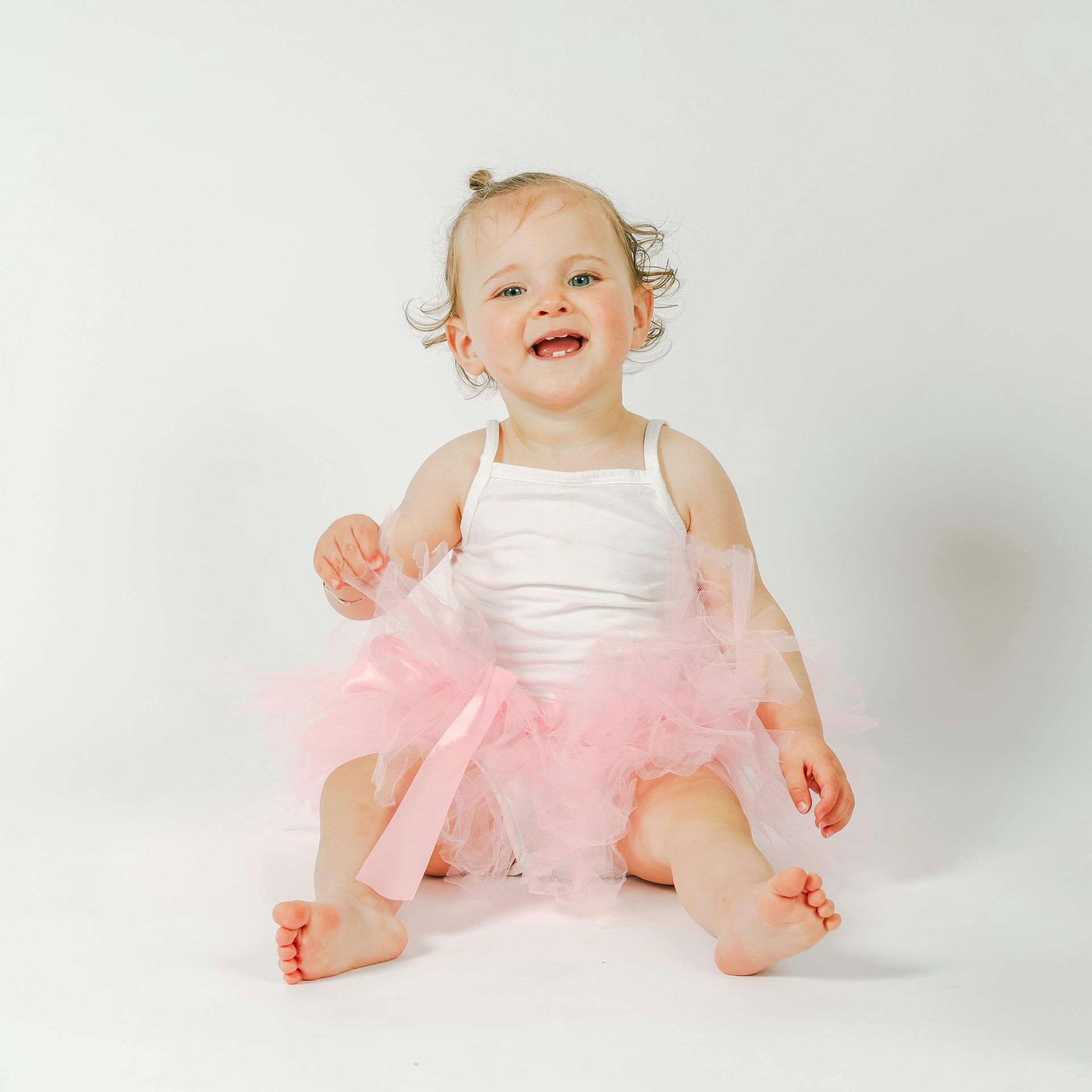
Watching your baby learn to crawl is one of those unforgettable parenting milestones—equal parts exciting and heart-melting. But what many parents don’t realize is that crawling doesn’t just happen—it’s a skill that can be nurtured and encouraged through simple, consistent activities.
At Peak Gymnastics, we love helping parents support their little ones during these early stages of movement. Whether your baby is just starting tummy time or showing signs of scooting, here are some helpful ways to get those tiny hands and knees moving.
Why Crawling Matters
Crawling is more than just a way to get from point A to point B—it’s a crucial part of a baby’s development. It helps build:
- Core and upper body strength
- Hand-eye coordination
- Balance and spatial awareness
- Bilateral movement (using both sides of the body in rhythm)
- Early problem-solving and independence
Crawling also plays an important role in brain development, especially for skills like reading and writing down the road!
How to Teach Your Baby to Crawl
1. More Tummy Time
Tummy time is the foundation of crawling. It strengthens neck, shoulder, arm, and core muscles—all essential for lifting the body and moving forward. Start with short, supervised sessions a few times a day and gradually increase as your baby builds strength.
Tip: Make it fun! Get down on their level, use toys, or lie face-to-face with them.
2. Create a Stimulating Environment
Babies crawl because they’re curious! Place toys just out of reach to encourage movement, or use mirrors, play tunnels, and textured mats to make exploration exciting. Give them safe space to move, and avoid too much time in walkers or bouncers, which limit crawling practice.
3. Show Them How
Babies are natural mimics. Crawling alongside your baby or gently guiding their hands and knees into position can spark their interest. Even moving a favorite toy in a crawling motion can help them make the connection.
4. Enroll in a Parent and Tot Class
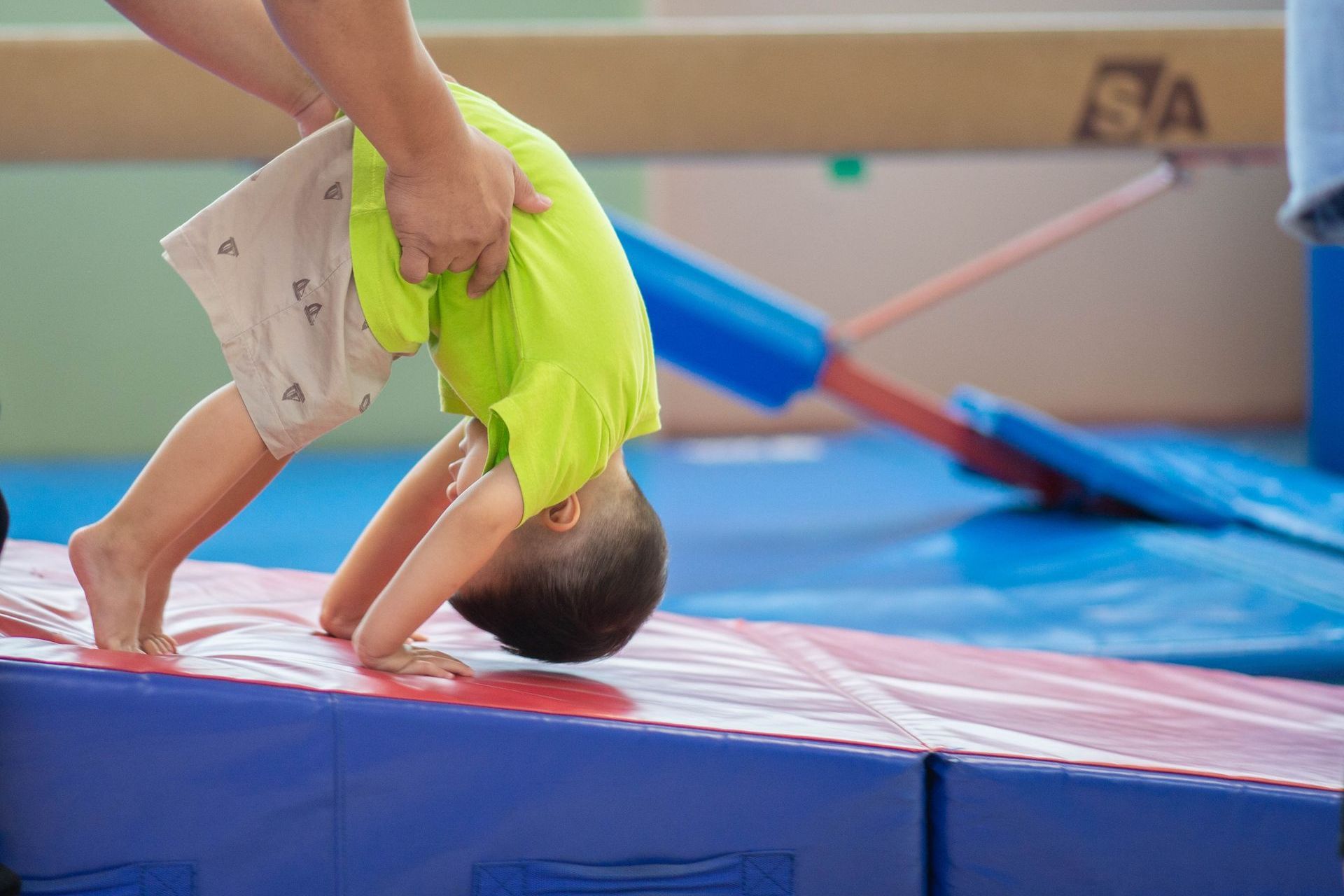
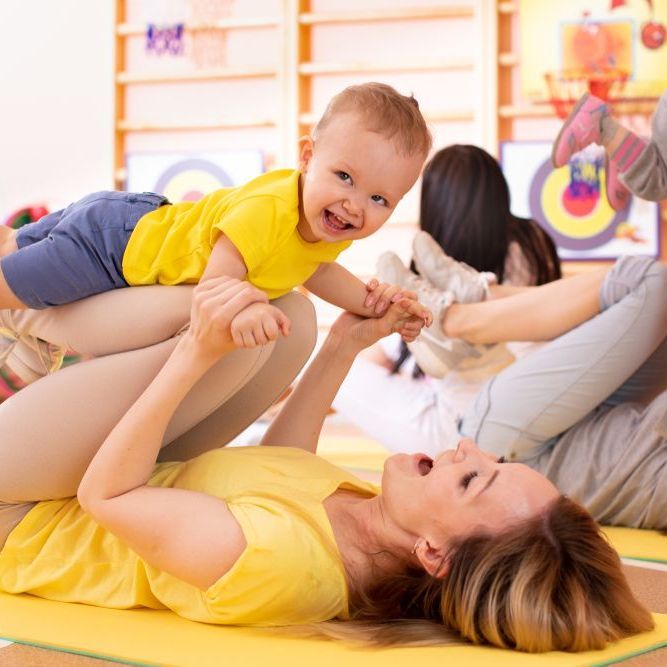
Our Parent and Tot classes at Peak Gymnastics are a fun, safe way to support your baby’s motor development. With expert guidance and engaging activities, we encourage crawling, climbing, rolling, and early coordination through playful movement. Plus, it’s a great way to bond and connect with other families!
5. Be Patient—Every Baby is Different
Some babies crawl as early as 6 months; others skip it altogether and go straight to standing or walking. And not all crawling looks the same…
Common Crawling Styles
There’s no one “right” way for a baby to crawl! Here are a few common styles you might see:
- Cross Crawl – Classic hands-and-knees crawling with opposite arm and leg moving together. Great for coordination and brain development.
- Bear Crawl – Similar to cross crawl but with legs and arms straighter. Builds strength and balance.
- Crab Crawl – Crawling backward or sideways, often with one leg bent. Perfectly normal and often a transitional stage.
- Commando Crawl – Belly stays low while arms pull the body forward. Often the first stage of mobility.
- Bottom Scooting – Baby scoots on their bottom using hands and feet. It’s adorable and totally normal!
- Rolling Crawl – Some babies roll from place to place—it counts as a method of movement, even if it’s not traditional crawling.
No matter the style, movement is movement! Celebrate the effort and progress along the way.
Encourage, Support, and Enjoy the Journey
Crawling is one of those early skills that opens up a whole new world for your baby—and supporting it doesn't require perfection, just patience and play.
At Peak Gymnastics, our early movement programs are all about helping babies build strength, confidence, and curiosity through age-appropriate activities that support natural development.